
Europe Offshore Wind Market Dynamics and Competitive Landscape
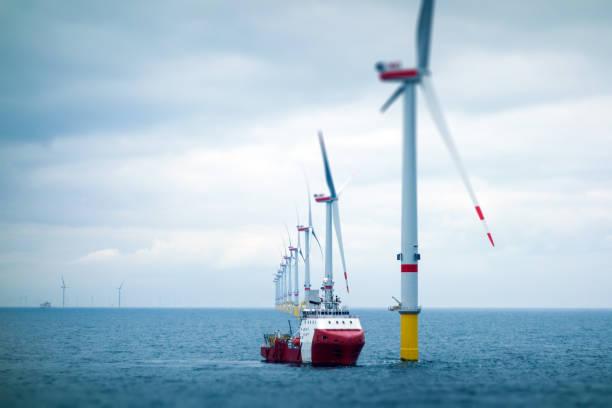
The Europe Offshore Wind Market has established itself as a critical component of the region’s renewable energy strategy. With ambitious climate targets and a strong commitment to reducing carbon emissions, European countries are investing heavily in offshore wind projects. This sector offers significant potential to generate clean energy at scale while supporting economic growth and energy security.
One of the defining features of the market is its rapid expansion. Offshore wind capacity in Europe has grown significantly over the past decade, driven by technological advancements and supportive policies. Larger and more efficient turbines are enabling developers to maximize energy output, while innovations in installation and maintenance are reducing costs and improving project efficiency.
An in-depth look at the Europe Offshore Wind Market Share highlights the dominance of key countries such as the United Kingdom, Germany, and Denmark. These nations have been early adopters of offshore wind technology and continue to lead in terms of installed capacity and project development. At the same time, other countries are entering the market, contributing to its overall growth.
The supply chain is a crucial element of the Europe Offshore Wind Market. It encompasses a wide range of activities, from manufacturing components to transporting and installing turbines. As the market grows, companies across the supply chain are scaling up their operations to meet increasing demand. This expansion is creating new business opportunities and driving innovation in the sector.
Government policies play a vital role in shaping the market. The European Union’s renewable energy targets and national strategies provide a clear framework for offshore wind development. Financial incentives, streamlined permitting processes, and long-term planning are encouraging investment and reducing risks for developers. These policies are essential for maintaining the momentum of the market.
Environmental considerations are also an important aspect of offshore wind development. Projects must be designed and implemented in a way that minimizes their impact on marine ecosystems. Developers are adopting best practices and working closely with regulatory authorities to ensure compliance with environmental standards.
Despite its many advantages, the Europe Offshore Wind Market faces challenges. High upfront costs, complex logistics, and grid integration issues can pose obstacles to project development. However, ongoing innovation and collaboration among stakeholders are helping to address these challenges. Advances in digital technology and energy storage solutions are expected to play a key role in overcoming these barriers.
Looking ahead, the Europe Offshore Wind Market is poised for continued growth. Increasing demand for renewable energy, combined with technological progress and supportive policies, will drive further investment in the sector. Floating wind technology is expected to open new opportunities by enabling projects in deeper waters.
In conclusion, the Europe Offshore Wind Market represents a dynamic and rapidly evolving sector with significant growth potential. Strong policy support, technological advancements, and increasing investment are driving its expansion. As the market continues to develop, it will play a crucial role in Europe’s transition to a sustainable and low-carbon energy future.

 English
 Arabic
 French
 Spanish
 Portuguese
 Deutsch
 Turkish
 Dutch
Dutch
 Italiano
 Romaian
 Portuguese (Brazil)
 Greek
Greek