
Post Harvest Treatment Industry Analysis Reveals Opportunities
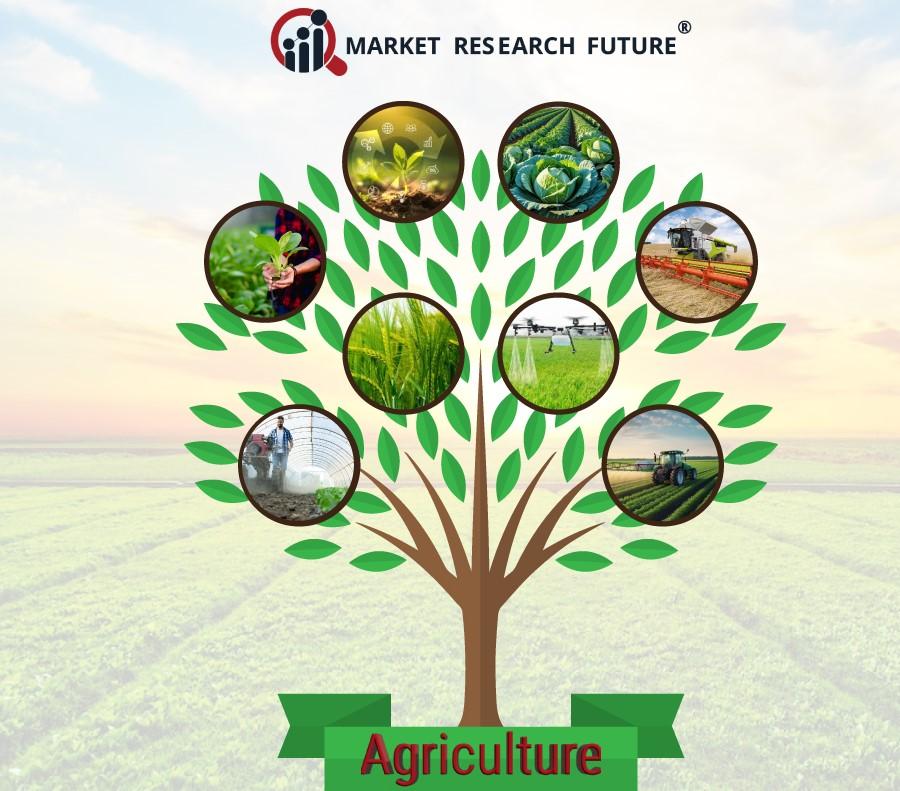
As per Market Research Future analysis, the Post Harvest Treatment Market stood at approximately USD 25.19 billion in 2024 and is projected to grow from USD 26.59 billion in 2025 to nearly USD 45.6 billion by 2035, expanding at a CAGR of 5.54% during the forecast period. The industry continues to evolve as agricultural producers seek innovative solutions to reduce losses, improve quality, and enhance profitability. Post-harvest treatment technologies have become indispensable in modern food systems where efficiency, sustainability, and product quality are increasingly important.
The latest post harvest treatment industry analysis highlights numerous opportunities emerging across agricultural supply chains worldwide. One of the most significant opportunities lies in the increasing adoption of sustainable preservation technologies. Consumers and regulators are placing greater emphasis on environmentally responsible practices, encouraging producers to invest in eco-friendly treatment solutions that minimize chemical usage while maintaining effectiveness.
The rapid expansion of food processing industries is creating additional opportunities for market participants. Processors rely on high-quality raw materials to produce premium food products, making effective post-harvest management essential. Treatment technologies help ensure consistency, reduce spoilage, and improve supply chain reliability, supporting the growing requirements of food manufacturers around the world.
Emerging markets represent another major area of opportunity. Many developing countries continue to experience significant post-harvest losses due to inadequate storage and transportation infrastructure. Investments in preservation technologies can substantially improve agricultural productivity and reduce waste. As governments and development organizations prioritize food security, adoption of post-harvest treatment solutions is expected to accelerate in these regions.
Innovation in biological preservation methods is creating exciting possibilities for future growth. Biological fungicides, natural coatings, and microbial control solutions offer effective alternatives to traditional chemical treatments. These products align with sustainability objectives while helping producers comply with increasingly stringent regulatory requirements. Continued research and commercialization efforts are expected to drive wider adoption.
Digital technologies are also opening new opportunities within the market. Data analytics, remote monitoring systems, and predictive maintenance tools enable more precise management of storage and preservation conditions. These technologies help reduce losses, optimize operational efficiency, and improve decision-making across supply chains. As digital agriculture expands, integrated post-harvest management solutions are likely to become increasingly valuable.
The growing focus on reducing global food waste remains one of the strongest long-term drivers. Significant portions of harvested produce are still lost before reaching consumers, creating economic and environmental challenges. Post-harvest treatment technologies provide practical solutions that improve resource utilization and support sustainability goals. As awareness increases, demand for advanced preservation systems is expected to continue growing.
Regional Insights
Asia-Pacific leads the market due to large-scale agricultural production, strong export activity, and ongoing modernization efforts. North America benefits from advanced technologies and highly efficient supply chains. Europe remains an important market supported by sustainability regulations and strict food quality standards. Latin America continues to expand as agricultural exports increase, particularly in fruits and vegetables. The Middle East and Africa are emerging regions where food security initiatives and infrastructure development are creating significant opportunities.
Market participants are investing in product innovation, capacity expansion, and strategic partnerships to strengthen their market positions. Companies offering sustainable, efficient, and technologically advanced solutions are expected to benefit most from future industry growth.
In conclusion, the post-harvest treatment market presents substantial opportunities across global agricultural systems. Increasing food demand, sustainability priorities, and technological advancements are expected to drive continued expansion throughout the forecast period.
FAQ
Q1. What opportunities exist in the post-harvest treatment market?
Ans: Opportunities include sustainable preservation technologies, emerging market adoption, food processing expansion, and digital agriculture integration.
Q2. How do biological treatments benefit producers?
Ans: They provide environmentally friendly preservation while helping maintain product quality and regulatory compliance.
Q3. Why are emerging markets important for industry growth?
Ans: These regions face significant post-harvest losses and offer strong potential for technology adoption and infrastructure development.

 English
 Arabic
 French
 Spanish
 Portuguese
 Deutsch
 Turkish
 Dutch
Dutch
 Italiano
 Russian
 Romaian
 Greek
Greek