
Macroeconomic Trends and the Global Smartwatch Market Economic Outlook
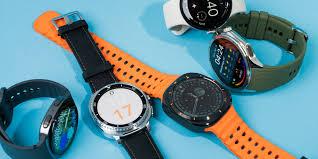
The wearable technology sector does not exist in a vacuum; it is deeply affected by the broader macroeconomic environment. Factors such as global supply chain stability, inflation rates, and consumer spending power play a critical role in determining the health of the industry. During times of economic prosperity, consumers are more willing to spend on "discretionary" electronics like high-end smartwatches. Conversely, during economic downturns, the market often sees a shift toward more affordable, "essential" devices or a slowdown in the upgrade cycle. Despite these fluctuations, the long-term trend for the industry remains positive, as the device is increasingly seen as a vital health tool rather than a luxury gadget. The cost of key components, such as semiconductors and OLED displays, also fluctuates based on global trade policies and manufacturing capacities, directly impacting the final retail price of the watches.
The Smartwatch Market Economic Outlook suggests that as production processes become more efficient, the "entry-level" price point for a functional smartwatch will continue to drop. This will open up the market to hundreds of millions of new users in emerging economies, providing a significant boost to global shipment volumes. Additionally, the move toward "local" manufacturing in regions like India and Southeast Asia is helping companies mitigate the risks associated with over-reliance on a single supply source. The economic impact also extends to the job market, with a growing demand for software developers, hardware engineers, and data scientists specializing in wearable tech. As the industry continues to integrate with the healthcare and insurance sectors, its economic footprint will only grow larger. The future of the market is tied to the continued digital transformation of society, where staying connected and monitoring one's health are no longer optional activities but core components of modern life.
How do global chip shortages affect smartwatch prices? Shortages can lead to production delays and increased costs for manufacturers, which are often passed on to consumers in the form of higher retail prices or fewer discounts.
Is the smartwatch market reaching a "saturation" point? While growth in some developed markets has slowed, the overall global market is still expanding, particularly as new health features give existing users a reason to upgrade.
➤➤➤Explore MRFR’s Related Ongoing Coverage In Semiconductor Industry:
Energy Management System Market
Interconnects And Passive Components Market
Semiconductor Inspection System Market
Emc Shielding And Test Equipment Market
Iot Communication Technologies Market

 English
 Arabic
 French
 Spanish
 Deutsch
 Turkish
 Dutch
Dutch
 Italiano
 Russian
 Romaian
 Portuguese (Brazil)
 Greek
Greek