
Experts Predict: Camera Signal Processing Units Will Lead the Next Imaging Revolution
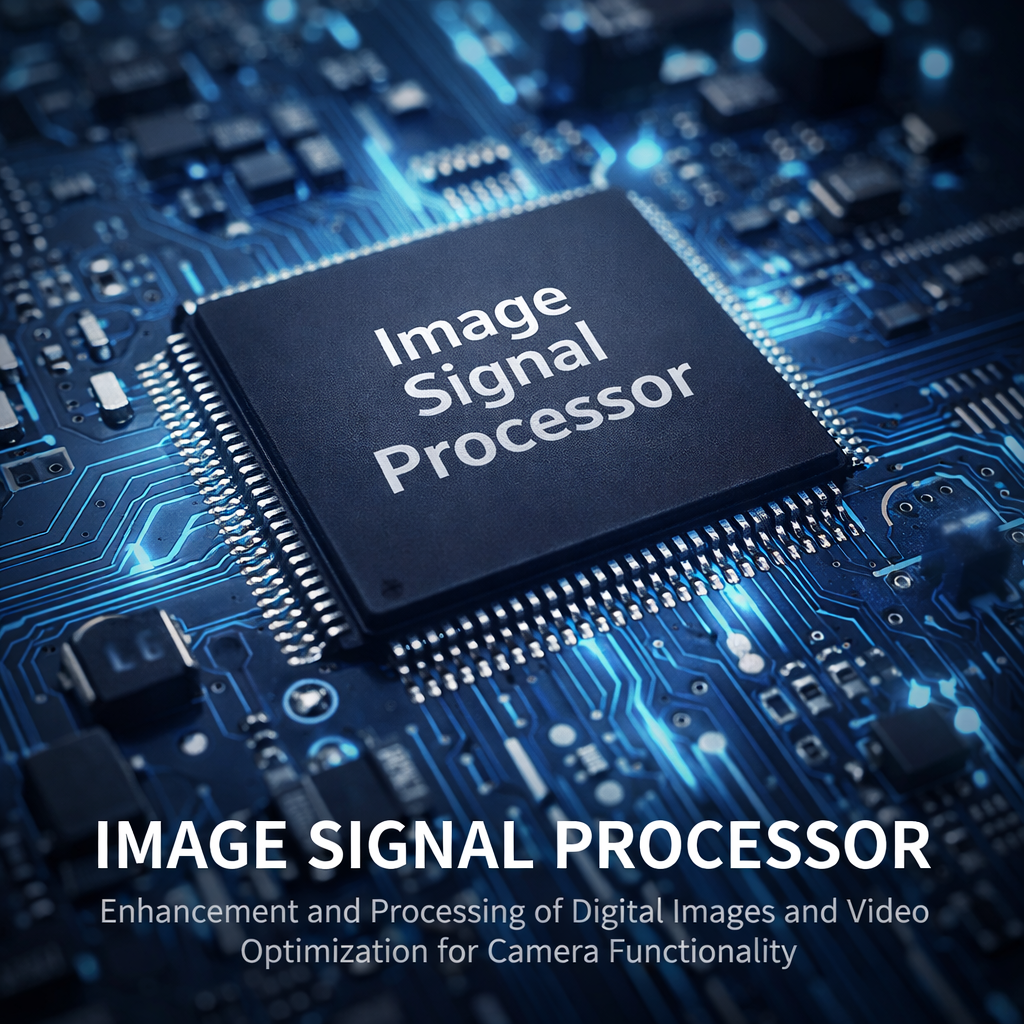
The advent of camera signal processing units marks a significant turning point in the image processing domain, projected to expand at an impressive CAGR of 9.3%. By 2035, the Image Signal Processor Market is expected to exceed USD 9,921.24 million, driven by advancements in visual data processing hardware and the growing demand for mobile imaging solutions. As digital image enhancement becomes a critical component of consumer electronics, the image processing chip demand is set to soar, particularly within high-resolution devices. The increasing integration of sophisticated camera isp technology trends is further compounded by consumer expectations for exceptional imaging quality, establishing camera signal processing units as a pivotal element in this trajectory.
Key industry participants such as Sony (JP), Samsung (KR), and Qualcomm (US) are at the forefront of innovations in camera signal processing units. These companies are continually enhancing their product offerings in response to the market's evolving demands. The competitive landscape is further enriched by NVIDIA (US), Texas Instruments (US), and Broadcom (US), all of which are making strides in developing advanced imaging solutions that cater to diverse applications. In addition, players like OmniVision Technologies (US), ON Semiconductor (US), and STMicroelectronics (FR) are also instrumental, their contributions positioning them as leading forces in the rapidly evolving landscape of image processing technologies.
Several dynamics are propelling the growth of camera signal processing units within the broader image processing ecosystem. The integration of artificial intelligence in these units is a major driver, enhancing their capabilities and enabling functionalities such as facial recognition and scene optimization. This shift towards AI-driven solutions not only improves performance but also significantly contributes to the efficiency and reliability of devices embedded with these units. Additionally, the rising demand for smart automotive applications necessitates the adoption of advanced imaging systems, further fueling the growth of camera signal processing units. As manufacturers prioritize safety and enhanced user experience, these components become increasingly critical to automotive design.
However, challenges persist in the sector, particularly regarding the complex architecture of camera signal processing units. As the technology matures, development costs can escalate, posing barriers to entry for smaller firms. Moreover, rapid technological advancements necessitate continuous investment in research and development, which can strain resources. Nevertheless, the pressure to innovate continues to drive competition, resulting in enhanced imaging capabilities and innovative features that keep the market dynamic.
Regionally, North America maintains a leadership position in the camera signal processing units market, with substantial investments in research and technology development. This region's demand is largely fueled by the proliferation of high-resolution imaging devices across various sectors, including consumer electronics and automotive applications. In contrast, the Asia-Pacific region is experiencing rapid growth, attributed to the rising demand for mobile imaging solutions particularly in countries such as China and India. As these nations advance technologically, the demand for sophisticated imaging capabilities will continue to rise, making them attractive markets for key players The development of Image Signal Processor Market continues to influence strategic direction within the sector.
Segment-wise analysis indicates that the 2D segment currently leads the market, predominantly due to the widespread adoption of these units in smartphones and tablets. However, the 3D imaging segment is rapidly gaining traction, especially with the growing popularity of virtual reality and gaming applications, signaling a shift in consumer preferences towards immersive experiences.
The market for camera signal processing units offers substantial growth opportunities driven by evolving consumer demands and technological advancements. The increasing adoption of AI technologies in visual data processing hardware creates a fertile ground for innovation, as manufacturers are motivated to enhance their product functionalities. Moreover, the growing prevalence of smart devices in both consumer and industrial applications indicates further opportunities for investment and development within this segment.
Additionally, the automotive sector is emerging as a prominent growth driver, where the demand for advanced imaging solutions is becoming increasingly critical. As more vehicle manufacturers incorporate sophisticated camera systems into their designs for enhanced safety and navigation, the need for high-performance camera signal processing units is expected to rise, significantly impacting market dynamics. The expansion of mobile imaging solutions growth further underlines this trajectory, promising sustained engagement from various stakeholders in the market.
In the coming years, the camera signal processing units market is set to undergo significant transformations through 2035. Experts predict that advancements in camera isp technology trends will reshape the consumer electronics landscape, influencing how users interact with their devices. The increasing demand for high-resolution displays across smartphones, tablets, and automotive systems will drive the continuous evolution of camera signal processing technologies. As a result, many tech giants are likely to ramp up their investments in research and development to maintain a competitive edge.
Moreover, the rise of new entrants in the market could disrupt traditional business models, introducing innovative approaches that challenge established players. This evolving landscape will require agility and adaptability from all stakeholders, as innovation in camera signal processing units will be paramount to meeting the demands of an increasingly sophisticated consumer base.
AI Impact Analysis
The integration of AI and machine learning into camera signal processing units is revolutionizing the market. AI algorithms enhance the functionality of these components, enabling real-time image processing that improves performance and efficiency. For instance, AI-driven enhancements allow for automatic scene recognition and optimization, significantly improving user experience. As the demand for intelligent devices grows, the importance of AI in camera signal processing units will only increase, further accelerating market growth.
Frequently Asked Questions
Access Customized Regional And Country Reports:
China Image Signal Processor Market
France Image Signal Processor Market
Germany Image Signal Processor Market

 English
 Arabic
 French
 Spanish
 Portuguese
 Deutsch
 Turkish
 Dutch
Dutch
 Italiano
 Russian
 Portuguese (Brazil)
 Greek
Greek